My title page contents
http://dubai-best-hotels.blogspot.com/ google-site-verification: google1aa22a1d53730cd9.html

Saturday, September 3, 2022

Sec 147 of NI Act | Cheque Bounce Can be Compounded Even After Conviction By Lower Court: Himachal Pradesh HC

Recently, Himachal Pradesh HC stated that the court can proceed to compound the offence even after a recording of conviction by the Lower Courts.
The bench of Justice Sandeep Sharma was dealing with the petition challenging the judgment passed by the Additional Sessions Judge affirming the judgment passed by the trial Court where the petitioner-accused has been held guilty of the offence punishable under S. 138 of the Negotiable Instruments Act.

In this case, The accused borrowed Rs. 3.00 Lakh from the complainant for the sale and purchase of apple. 

The accused issued a cheque amounting to Rs. 3.00 Lakh drawn at State Bank of India Theog, but the fact remains that said cheque, on its presentation, was dishonoured on account of insufficient funds in the account of the accused. 

Since despite having received legal notice, the accused failed to make good the payment within the stipulated time, complainant was compelled to institute proceedings under S. 138 of the Act in the competent Court of law. 

The trial Court held the accused guilty of having committed an offence punishable under S. 138 of the Act.

The issue for consideration before the bench was:

Whether the appellant is liable for the offence punishable under S. 138 of the Negotiable Instruments Act?

High Court stated that “having taken note of the fact that the entire amount of compensation awarded by the trial Court has been agreed to be paid to the complainant, this court sees no impediment in accepting the prayer made on behalf of the accused in the petition for compounding of the offence under S. 147 of the Act.”

The bench also relied upon the case of Damodar S. Prabhu V. Sayed Babalal H., wherein Apex Court has held that the court while exercising power under Section 147 of the Act, can proceed to compound the offence even after a recording of conviction by the courts below.

In view of the above, the High Court allowed the appeal and directed the Additional Chief Judicial Magistrate to release the amount of Rs. 66,000/- in favour of the complainant by remitting the same in his savings bank account.

Case Title: Shri Kantu Ram v. Shri Beer Singh

Bench: Justice Sandeep Sharma 

Citation: CR. REVISION NO. 334 OF 2022

Sunday, August 28, 2022

SC: Drawer who signs a Cheque & Hands it Over to Payee, is Presumed to be Liable

In, Oriental Bank of Commerce vs Prabodh Kumar Tewari, SC held that, The presumption which arises on the signing of the cheque cannot be rebutted merely by the report of a hand-writing expert. Even if the details in the cheque have not been filled up by drawer but by another person, this is not relevant to the defense whether cheque was issued towards payment of a debt or in discharge of a liability.
 

Facts

The appellant is the complainant in proceedings under Section 138 of the Negotiable Instruments Act 1881. He seeks to question the order of a Single Judge by which the respondents were permitted to engage a hand-writing expert to seek an opinion on whether “the authorship on the questioned writings” (the disputed cheque) can be attributed to the respondents. The respondent admits that he signed and handed over a cheque to the appellant. According to the respondent a signed blank cheque was handed over by him.


In the Present Appeal, The question which arises is whether the High Court was correct in permitting the respondent to engage a hand-writing expert to determine whether the details that were filled in the cheque were in the hand of the respondent.


Appellant: During the course of the hearing, it is not in dispute that the first respondent has admitted to having signed the cheque.


That even assuming, as the first respondent submits, that the details in the cheque were not filled in by the drawer, this would not make any difference to the liability of the drawer.

Court Observation

The Single Bench of Supreme Court of India, While noting the statutory provisions observed that, In, Bir Singh vs Mukesh Kumar, (2019) 4 SCC 197 after discussing the settled line of precedent of this Court on this issue, a two-Judge Bench held: It is immaterial that the cheque may have been filled in by any person other than the drawer, if the cheque is duly signed by the drawer.

Further after considering the several judicial precedents, SC observed that, A drawer who signs a cheque and hands it over to the payee, is presumed to be liable unless the drawer adduces evidence to rebut the presumption that the cheque has been issued towards payment of a debt or in discharge of a liability. The presumption arises under Section 139.

Court Judgment

The Supreme Court while setting aside the order of HC has held that; For the reasons set out below, this appeal allowed against the order of the High Court for the reason that Section 139 of the NI Act raises a presumption that a drawer handing over a cheque signed by him is liable unless it is proved by adducing evidence at the trial that the cheque was not in discharge of a debt or liability. The evidence of a hand-writing expert on whether the respondent had filled in the details in the cheque would be immaterial to determining the purpose for which the cheque was handed over.

Therefore, no purpose is served by allowing the application for adducing the evidence of the hand-writing expert.

Case: Oriental Bank of Commerce vs Prabodh Kumar Tewari
Citation: Criminal Appeal No 1260 of 2022

Bench: Hon’ble Dr Justice Dhananjaya Y Chandrachud

Decided on: 16thAugust, 2022.

Read Judgment @Latestlaws.com

Monday, August 22, 2022

Cheques Dishonored Due To Stop Payment, Account Closed & Signature Mismatch, All Fall Within Ambit Of S.138 NI Act: J&K&L High Court

The Jammu and Kashmir and Ladakh High Court recently reiterated that the provisions contained in Section 138 of the NI Act must be interpreted in a liberal manner so as to achieve the object for which the said provision has been enacted.

Not only the cases of dishonour of cheques on account of insufficiency of funds or on account of exceeding of arrangement but the cases involving dishonour of cheques on account of "stop payment", "account closed" and "Signature Mismatch" also fall within the ambit of offence under the aforesaid provision, the bench underscored.

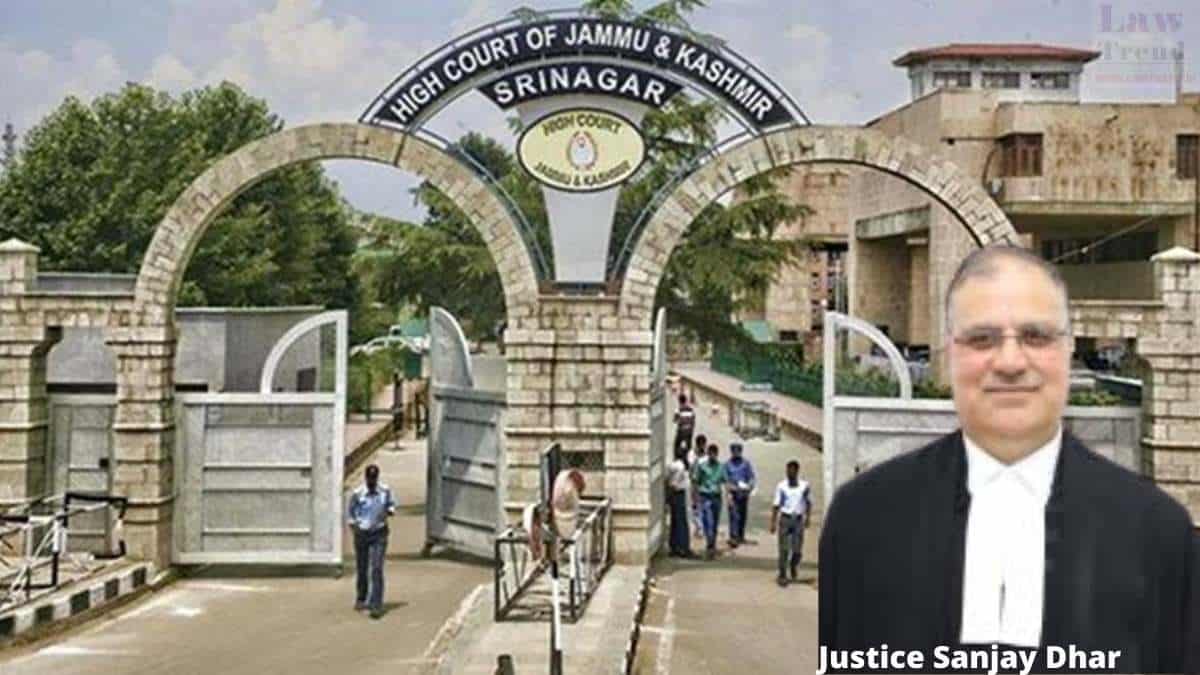
bench of Justice Sanjay Dhar was hearing a plea through the medium of which the petitioner had challenged the complaint filed by the respondent against him for offence under Section 138 of Negotiable Instruments Act pending before the Court of Judicial Magistrate, Srinagar, which issued process against the petitioner.
The petitioner had primarily challenged the complaint on the ground that the dishonour of cheque was due to difference in drawer's signatures and, as such, offence under Section 138 of NI Act is not made out against the petitioner
Deciding the matter of controversy the bench observed that at first blush, it appears that it is only in two situations that Section 138 of the NI Act is attracted, firstly when there are insufficient funds available in the bank account of the person who is drawing the cheque and secondly where it exceeds the arrangement. However, the provision has been interpreted by the Supreme Court in a number of judgments in a manner so as to include within its ambit even the cases where the dishonour of cheque has taken place for the reasons other than the aforesaid two reasons, the bench recorded.
Examining the Apex court precedents on the subject the bench noted that the SC has in Kanwar Singh vs Delhi Administration, AIR 1965 SC 871 and State of Tamil Nadu Vs. M. K. Kandaswami and Others 1974(4) clearly stated that while interpreting a penal provision which is also remedial in nature a construction that would defeat its purpose or have the effect of scrapping it from the statute book, should be avoided and that if more than one constructions are possible, the Court should choose to adopt construction that would preserve the workability and efficacy of the Statute and avoid an interpretation that would render the provision sterile. The Apex court in the matter had accordingly held that when a cheque is returned by the banker of a drawer with the comments "account closed" the same would constitute an offence under Section 138 of NI Act, Justice Dhar recorded.
Dealing with the contention that the dishonour of cheque was due to difference in drawer's signatures and, as such, offence under Section 138 of NI Act is not made out, the bench found it worthwhile to record the observations of SC in Laxmi Dyechem vs. State of Gujarat and others, (2012) wherein SC while dealing with a case in which the cheques were dishonoured by the bank on the ground that drawer's signatures were incomplete and that no image was found or that the signatures did not match, came to the conclusion that criminal prosecution against the accused in such cases should be allowed to proceed and the judgment and orders passed by the High Court quashing the criminal proceedings were set aside.
For the foregoing reasons, the bench found the petition to be devoid of merit and accordingly dismissed it. Interim order was vacated and trial Magistrate was directed to proceed further in the matter in accordance with law.

Case Title: Mohammad Shafi Wani Vs Noor Mohammad Khan
Citation: 2022 LiveLaw (JKL) 111

Friday, August 19, 2022

CrPC Does Not Bar Amendment Of Complaint, Court May Allow Such Request If No Prejudice Is Caused To Other Side: Madhya Pradesh HC

The High Court of Madhya Pradesh recently held that the Complainant in a case under the Negotiable Instruments Act can amend/modify his complaint. Regarding the stage and the extent to which such modifications can be allowed, the Court opined that a simple infirmity, not causing any prejudice to the accused may be allowed at any stage.

The bench comprising of Justice D.K. Paliwal observed-

CrPC Does Not Bar Amendment Of Complaint, Court May Allow Such Request If No Prejudice Is Caused To Other Side: Madhya Pradesh HC

Update: 2022-08-18 07:52 GMT
‘Such Appointments Purely Professional In Nature, Cannot Be Categorized As Public Employment’: MP High Court Denies Reservations In Appointment Of Law Officers At Office Of Advocate General

Madhya Pradesh High Court- Principal Seat at Jabalpur

The High Court of Madhya Pradesh recently held that the Complainant in a case under the Negotiable Instruments Act can amend/modify his complaint. Regarding the stage and the extent to which such modifications can be allowed, the Court opined that a simple infirmity, not causing any prejudice to the accused may be allowed at any stage.

The bench comprising of Justice D.K. Paliwal observed-

It is undisputed that there is no specific provision in the Code of Criminal Procedure dealing with the amendment of the complainant. At the same time, there is also no bar under the Cr.P.C against permitting a complainant to amend his complaint.…in wake of above discussion, it is apparent that Courts below have not committed any error in passing the impugned orders as amendment sought to be made by complainant relates to mere curing a simple infirmity, which has resulted in no prejudice to the accused and same may be allowed by the Court at any stage of the proceedings as the same does not change the nature of the complaint and is mean to cure the curable defects.

The facts of the case were that the Respondent/Complainant had filed a complaint case under Section 138 N.I. Act before the lower court. However, he wrongly mentioned the bank's name as PNB instead of HDFC Bank. He then moved an application to amend his complaint to change the name of the bank. The lower court allowed his application for amendment. A revision against this order was dismissed. Hence, the Applicant-accused moved the instant petition under Section 482 CrPC.

Sunday, July 31, 2022

തെരുവുനായ ആക്രമിച്ചാൽ

*തെരുവുനായ ആക്രമിച്ചാൽ ?*

തെരുവുനായകൾ ആക്രമിക്കുന്നതും അവ വാഹനങ്ങൾക്ക് കുറുകേ  ചാടിയുണ്ടാകുന്ന അപകടങ്ങളും നാട്ടിൽ സ്ഥിരമായി കേൾക്കാറുള്ളതാണ്. കേരളത്തിൽ ഏകദേശം ഒരു വർഷം ശരാശരി ഒരു ലക്ഷത്തിലധികം സംഭവങ്ങളാണ് ഇത്തരത്തിൽ ഉണ്ടാകുന്നത്.

പലർക്കും അറിയാത്ത ഒരു കാര്യം എന്തെന്നാൽ, തെരുവുനായ്ക്കളുടെ ആക്രമണത്തിലും അവ മൂലമു ണ്ടാകുന്ന അപകടത്തിലും നഷ്ടപരിഹാരം തേടാൻ നമ്മൾ അർഹരാണ് എന്നുള്ള വസ്തുതയാണ്.

ഇതുമായി ബന്ധപ്പെട്ട് ജനങ്ങൾക്കുണ്ടാകുന്ന എല്ലാ നഷ്ടങ്ങൾക്കും പരിഹാരം കാണുന്നതി നായി ബഹുമാന പ്പെട്ട സുപ്രീംകോടതി നിർദ്ദേശപ്രകാരം കൊച്ചിയിൽ ജസ്റ്റിസ് സിരിജഗന്റെ നേതൃത്വത്തിൽ ഒരു മൂന്നംഗ ക്കമ്മിറ്റി പ്രവർത്തിച്ചുവരുന്നുണ്ട്. അതിൽ ഡയറ്കടർ ഓഫ് ഹെൽത്ത് സർവീസ് ,നിയമ സെക്രട്ടറി എന്നിവ രാണ് മറ്റു രണ്ടംഗങ്ങൾ. ഇക്കാര്യങ്ങൾ ഇനിയും പലർക്കും അറിയില്ല എന്നതാണ് വാസ്തവം.

*നമ്മൾ ചെയ്യേണ്ടത് ഇപ്രകാരമാണ് 😘

തെരുവുനായ ആക്രമിക്കുകയോ ,തെരുവുനായമൂലം വാഹനാപകടം സംഭവിക്കുകയോ പരുക്കേൽക്കുകയോ ചെയ്താൽ, ഒരു വെള്ള പ്പേപ്പറിൽ സംഭവിച്ച യഥാർത്ഥ വിവരങ്ങൾ അപേക്ഷയായി എഴുതി ,അതോടൊപ്പം   ചികിത്സതേടിയ ആശുപത്രിയുടെ ബില്ലുകൾ , ഓ.പി ടിക്കറ്റ് , മരുന്നുകളുടെ ബില്ല്, വാഹനത്തിന്റെ മെയിന്റനൻസിനു ചിലവായ തുകയുടെ ബില്ല് എന്നിവ താഴെപ്പറയുന്ന അഡ്രസിലേക്കു അയച്ചുകൊടുക്കുക. 

*Justice Siri Jagan Committee,*
*UPAD Building,*
*Paramara Road,*
*Kochi -682018* 

അപേക്ഷ ലഭിച്ചുകഴിഞ്ഞാൽ കമ്മിറ്റി അത് പരിശോധിച്ചശേഷം ,അപേക്ഷകനെ ഒരു ദിവസത്തേക്ക് ഹിയറിംഗിനായി കൊച്ചിയി ലേക്ക് വിളിക്കും.അവിടെ വക്കീലിന്റെയോ മറ്റു സഹായികളുടെയോ ഒന്നും ഒരാവശ്യവുമില്ല. നമുക്ക് നേരിട്ട് നമ്മുടെ പരാതികളും നടന്ന സംഭവവും കമ്മിറ്റിക്ക് മുന്നിൽ നിസങ്കോചം വിവരിക്കാവുന്നതാണ്.

നമ്മുടെ പരാതി തീർത്തും ന്യായമാണെന്ന് കമ്മിറ്റിക്ക് ബോധ്യപ്പെട്ടുകഴിഞ്ഞാൽ നമുക്ക് നഷ്ടപരിഹാരം നൽകേണ്ടുന്ന തദ്ദേശഭരണ സ്ഥാപനങ്ങൾക്ക് ( പഞ്ചായത്ത് /മുൻസിപ്പാലിറ്റി/കോർപ്പറേഷൻ) നോട്ടീസ് അയക്കുകയും അവരുടെ ഭാഗം കൂടി കേട്ടശേഷം നമുക്ക് ന്യായമായ നഷ്ടപരിഹാരം നൽകാൻ വിധിക്കുന്നതുമാണ്.

ഈ ഒരു സേവനത്തെപ്പറ്റി പലർക്കുമറിയില്ല. അതുകൊണ്ട് ഇത് പരമാവധി ഷെയർ ചെയ്യുക, കൂടുതലാളുകളിലേക്ക് എത്തിക്കുക. 

ഈ വിഷയവുമായി ബന്ധപ്പെട്ട് ആർക്കെങ്കിലും എന്തെങ്കിലും തരത്തിലുള്ള സംശയങ്ങളുണ്ടെ ങ്കിൽ പ്രസ്തുത കമ്മിറ്റിയുടെ സെക്രട്ടിറിയുമായി 9746157240 എന്ന നമ്പറിൽ ബന്ധപ്പെടാവുന്നതു മാണ്. 
*ഈ വിലപ്പെട്ട അറിവ് നിങ്ങളുടെ സുഹൃത്തുക്കളുമായി പങ്കുവെക്കുക.*

Thursday, July 14, 2022

Cheque Bounce: 138 NI Act will be Attracted even if the Dishonoured Cheque was issued as Security: SC

Recently, the Top Court observed that dishonor of a cheques issued as security will also be considered an offense u/s 138 of the NI Act (Negotiable Instruments Act).

According to a Bench of Justices AS Bopanna and MR Shah, there can’t be a hard and fast rule that a cheque issued as security could never be presented by cheque drawee. 

It further said that such a contention will not be accepted if the debt hasn’t become recoverable and the security cheque has not matured to be presented or if the date of payment agreed upon has not arrived.

In the instant case, the High Court had placed reliance on Apex Court’s judgment in Sudhir Kr Bhalla vs Jagdish Chand and ruled that cheques issued as security will not attract an offense under the NI Act.

However, the Top Court disagreed and said that this Court has not made any categorical declaration that cheques issued as security can’t be presented for the realization of the amount under every circumstance.

While referring to the case at hand, the Bench noted that issues related to the cheque being issued and then alterations were made to it and the drawee of the cheque has filed a counter-complaint as well. 

Therefore, the High Court was incorrect in placing reliance on Sudhir Bhalla judgment. The Supreme Court referred to Sampelly Satyanarayana Rao vs Indian Renewable Energy Development Agency Ltd and opined that cheques issued as security relating to a financial transaction can’t be considered as worthless pieces of paper under all circumstances.

Another interesting observation made by the Bench was that prior discharge of loan or an altered situation wherein the parties have come to an understanding can’t be a bar on presenting the security cheque. 

This order was passed by the Apex Court in Sripati Singh vs the State of Jharkhand.

Cheque Bounce | Sending Notice to Wrong Address Fails to Fulfil Mandatory Pre-condition For Filing Complaint U/s 138 NI Act: HC

The J&K and Ladakh High Court has ruled that the inference of having received the statutory notice of demand by a cheque drawer as mandated u.s 138 of the NI Act can be raised only if the notice is dispatched to the correct address.


Cheque Bounce | Sending Notice to Wrong Address Fails to Fulfil Mandatory Pre-condition For Filing Complaint U/s 138 NI Act: HC

Justice Sanjay Dhar-JK hc

The J&K and Ladakh High Court has ruled that the inference of having received the statutory notice of demand by a cheque drawer as mandated u.s 138 of the NI Act can be raised only if the notice is dispatched to the correct address.

As per the Bench of Justice Sanjay Dhar, inference can’t be drawn if notice has been sent to the incorrect address of the drawer of the cheque.

In this case, the petitioner had challenged the complaint filed by the respondent against him for offence u.s 138 of the NI Act before the Judicial Magistrate, Srinagar. He also challenged the Magistrate to take cognisance of the offence and to issue a process against the petitioner.

Before the court, the petitioner’s counsel submitted that no notice was served upon the petitioner and even the address mentioned was incorrect. It was further submitted that even though the petitioner lived in Delhi, the statutory notice was served on the wrong address in Jammu and as the demand notice has not been served, an offence u.s 138 of the Act is not made out